1. Clean Up Garden Beds, but Leave Nature a Little Room
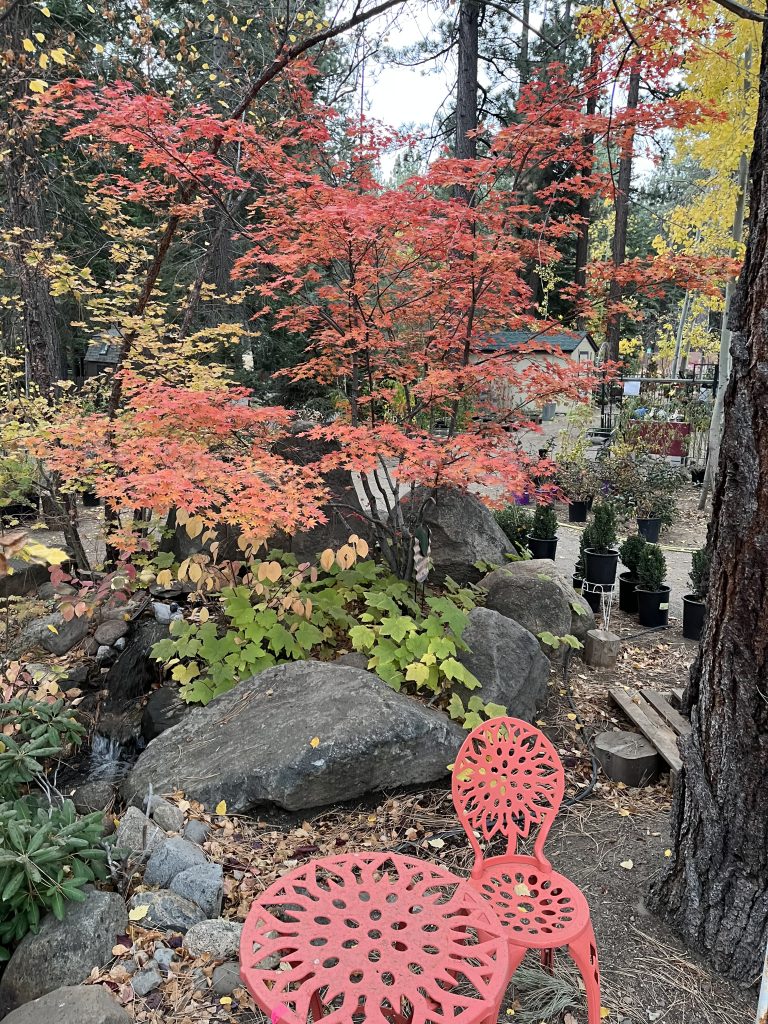
Before winter settles in, you probably feel inclined to tidy up your garden. While it may feel satisfying to start the colder months with a perfectly clean yard, it’s important to strike a balance between a clean, healthy garden and a landscape that supports the natural environment.
Removing fallen fruit, diseased leaves, and dead annuals that may harbor pests or plant diseases is particularly important for reducing the chance of problems returning in spring.
However, you don’t need to remove every fallen leaf or cut every perennial down to the ground. A light layer of healthy leaves can provide insulation for soil and shelter for beneficial insects. Consider leaving some seed heads and sturdy perennial stems standing, too, especially if they provide food or habitat for local wildlife.
2. Protect Trees and Shrubs from Snow Damage
For some younger or more delicate plants, this may be the most important step considering how much snow we get in the Tahoe Basin.
Before the first major storm, inspect your landscape for weak, crossing, or damaged branches. It’s important to find a balance between pruning enough weight off of delicate branches to allow snow to pass through rather than accumulating and causing breakage, but still not over-pruning which can stress plants out right before winter. (Don’t be afraid to hire a professional for this step!)
For columnar evergreens and multi-stemmed shrubs that tend to splay under snow, loosely wrap the branches with soft garden ties or purpose-made plant support straps. The goal is to help the plant hold its natural shape without restricting growth or damaging the bark. Remove or loosen the ties in spring.
Young trees may benefit from protective guards around their trunks, particularly where deer, rodents, or snow-related bark damage are concerns. Make sure any guard is appropriate for the tree species and doesn’t trap moisture or constrict the trunk.
Pro Tip: Consider where snow slides off your roof. Plants beneath rooflines, eaves, and snow-shedding areas can be crushed by sudden, heavy loads. If you’re planning a new landscape, choose durable plants for these locations or redirect roof snow away from delicate plantings.
3. Water Deeply Before the Ground Freezes
One of the most overlooked steps in preparing a Tahoe yard for winter is making sure trees and shrubs enter the season with adequate moisture. Even in a snowy climate, plants can suffer from winter desiccation. Evergreen foliage continues to lose moisture, and frozen soil can prevent roots from replacing what is lost.
During fall, water trees, shrubs, and established perennials deeply when the soil is dry and temperatures are above freezing. Pay special attention to newly planted trees and shrubs, which have less-established root systems and are more vulnerable to drought stress.
Continue watering as needed until the ground begins to freeze, but avoid saturating already-wet soil or watering when temperatures are below freezing. If fall is unusually dry, an occasional deep watering can help your landscape withstand winter better than frequent, shallow sprinkling.
4. Mulch to Insulate Roots and Protect Soil
Mulching is especially valuable in the Tahoe Basin, where soil temperatures can fluctuate dramatically and repeated freezing and thawing can disturb shallow roots. A layer of organic mulch helps moderate soil temperatures, conserve moisture, and reduce erosion.
Apply approximately two to four inches of suitable mulch around trees, shrubs, and perennial beds, adjusting the depth to the plant’s needs and the material you’re using. Wood chips, shredded bark, and other appropriate organic mulches can work well in many landscape settings. Keep mulch a few inches away from tree trunks and shrub stems. Piling it directly against bark can trap moisture and encourage rot or other problems.
If you need help choosing the right mulch for your yard, our team at Aspen Hollow is happy to help you choose from our wide variety of options.
5. Give Perennials and Flower Beds the Right Winter Protection
Perennials often return beautifully in spring, but Tahoe’s freeze-thaw cycles can be hard on their roots. Plants may be pushed upward out of the soil as the ground freezes and thaws repeatedly, exposing tender roots to cold, wind, and drying conditions.
Once plants have gone dormant and the soil has begun to freeze, add a protective layer of pine needles or evergreen boughs over newly planted or less-hardy perennials. These materials help insulate the crowns and reduce temperature fluctuations. Remove the protective covering in spring as temperatures warm to allow good airflow and prevent excess moisture from lingering around the plant crowns.
If you’re growing hardy perennials suited to the Sierra Nevada, resist the urge to cut everything back immediately. Some plants benefit from being trimmed in fall, while others are best left until spring. Leave healthy evergreen foliage intact, and consider keeping ornamental grass seed heads and sturdy flower stalks for winter interest and wildlife habitat. (Be sure to attend our gardening talks during the summer to learn more about healthy pruning techniques and Tahoe-hardy perennials!)
Fall is also a good time to inspect garden beds for plants that may need dividing or relocating next season. Make a note of areas where plants struggled with excessive shade, poor drainage, or heavy snow accumulation so you can make improvements when spring arrives.